

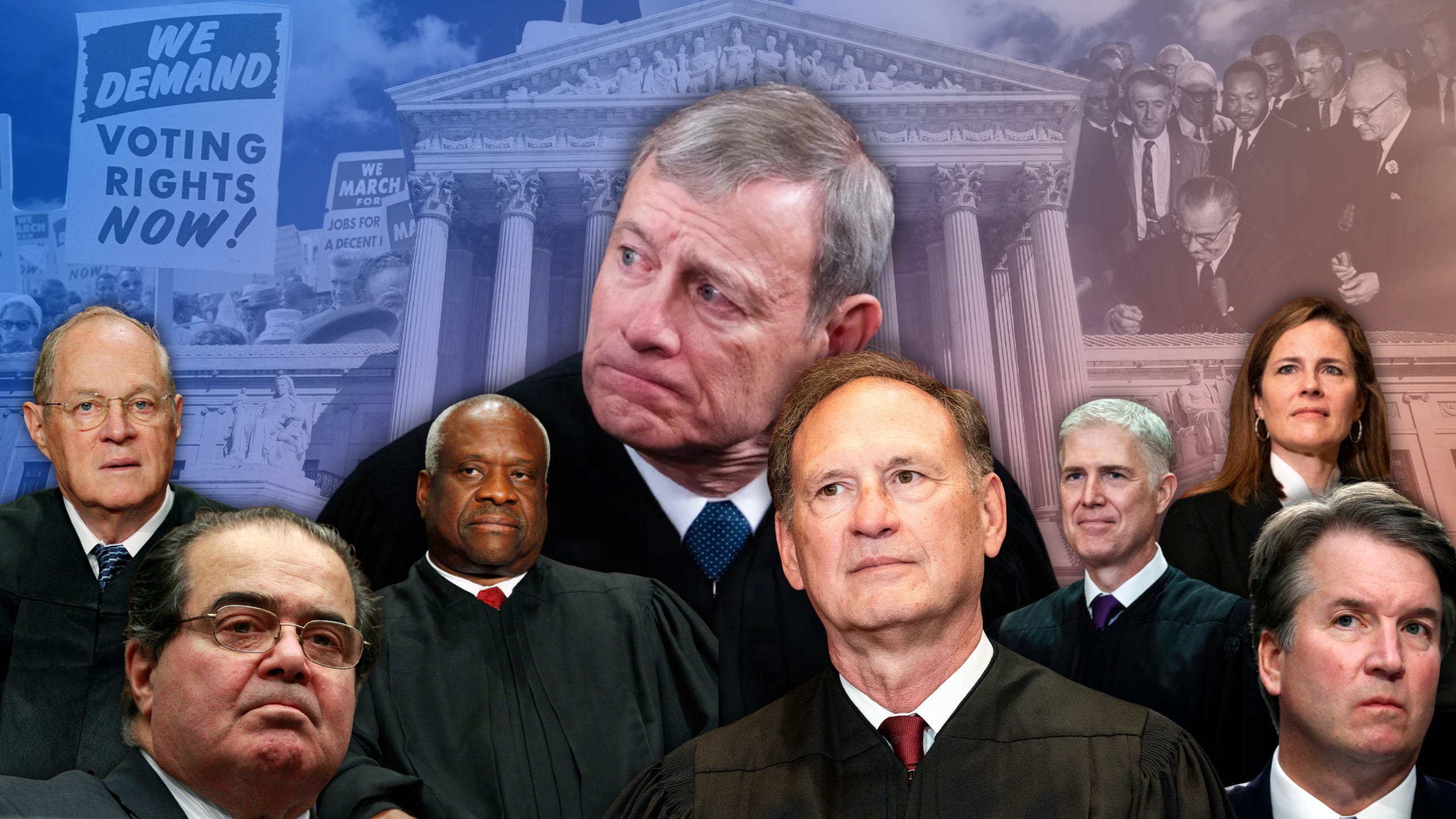
This article is exclusive to paid subscribers as part of my occasional longer-form analyses on a major legal or political development—one of the benefits exclusive to paid subscribers (and there are several others, such as my weekly Ask-Me-Anything sessions and ad-free versions of the podcast). If your circumstances permit, I hope you’ll consider becoming a paid subscriber—your support is what makes deep dives like this possible. And to paid and unpaid subscribers alike, thank you for being part of the Talking Feds community.
The Supreme Court’s recent decision in Louisiana v. Callais has provoked a landslide of criticism. The outrage is completely understandable: the decision was brutal, calamitous, and intellectually dishonest. Even so, the many denunciations of the case substantially understate its full destructiveness. To understand what the Court has done, Callais must be seen alongside two other decisions of the last decade: Shelby County v. Holder (2013) and Rucho v. Common Cause (2019).
I argue here that this three-pronged assault constitutes the most antidemocratic and morally reactionary series of judicial acts in the Court’s history. That’s not the same as the worst or most activist decisions ever handed down, though each is plenty bad and plenty unjudicious on its own terms.
What makes the three cases collectively historic is what they destroyed: the legal protections for Americans’ ability to participate equally in the political process. Those protections were always partial, but they have now been vitiated.
